The history of Mithila art is deeply intertwined with the social and ritual life of the Mithila region. Traditionally practiced by women, the art form was created on the walls and floors of homes during marriages, festivals, and religious ceremonies, transforming domestic spaces into sacred and symbolic environments. These paintings were not intended as commercial works but as expressions of devotion, celebration, and cultural continuity.
In Nepal, Janakpur has long served as a central hub for Mithila culture, with its religious and historical significance reinforcing the continuity of artistic traditions. Over time, especially during the late 20th century, Mithila art underwent a major transformation. Artists began transferring their work from walls to paper, canvas, and other portable surfaces, allowing it to enter galleries, exhibitions, and markets.
This transition marked the beginning of Mithila art’s engagement with institutional and global platforms. Organizations like Youth’s Enthusiasm have been instrumental in supporting this shift—helping artists adapt to new formats, facilitating exhibitions, and introducing Mithila art into public spaces, education systems, and applied arts sectors.
Today, Mithila art continues to evolve as both a traditional and contemporary practice, maintaining its cultural roots while expanding its presence across new mediums and audiences.
Our Story
The story of Youth’s Enthusiasm began in the mid 2000s in Janakpur, when Mithila art, though deeply rooted in tradition, lacked structured platforms for training, visibility, and long-term sustainability. Led by Mahendra Sah Rauniyar, the organization started as a grassroots initiative—bringing together artists, youth, and community members through informal workshops, small exhibitions, and shared learning spaces around cultural hubs such as Janaki Mandir.
As its work expanded, Youth’s Enthusiasm moved beyond community engagement into structured training programs, artist mentorship, and public art initiatives. Collaborations with Janakpurdham Sub-Metropolitan City enabled the organization to bring Mithila art into public spaces through murals and cultural projects, helping shape Janakpur’s identity as a vibrant center of living art.
Over time, the organization established a strong presence at the national level, engaging with institutions such as the Nepal Academy of Fine Arts and Rajarshi Janak University through exhibitions, workshops, and academic collaboration. It also expanded into applied arts, creating new opportunities for artists through textiles, design, and creative production.
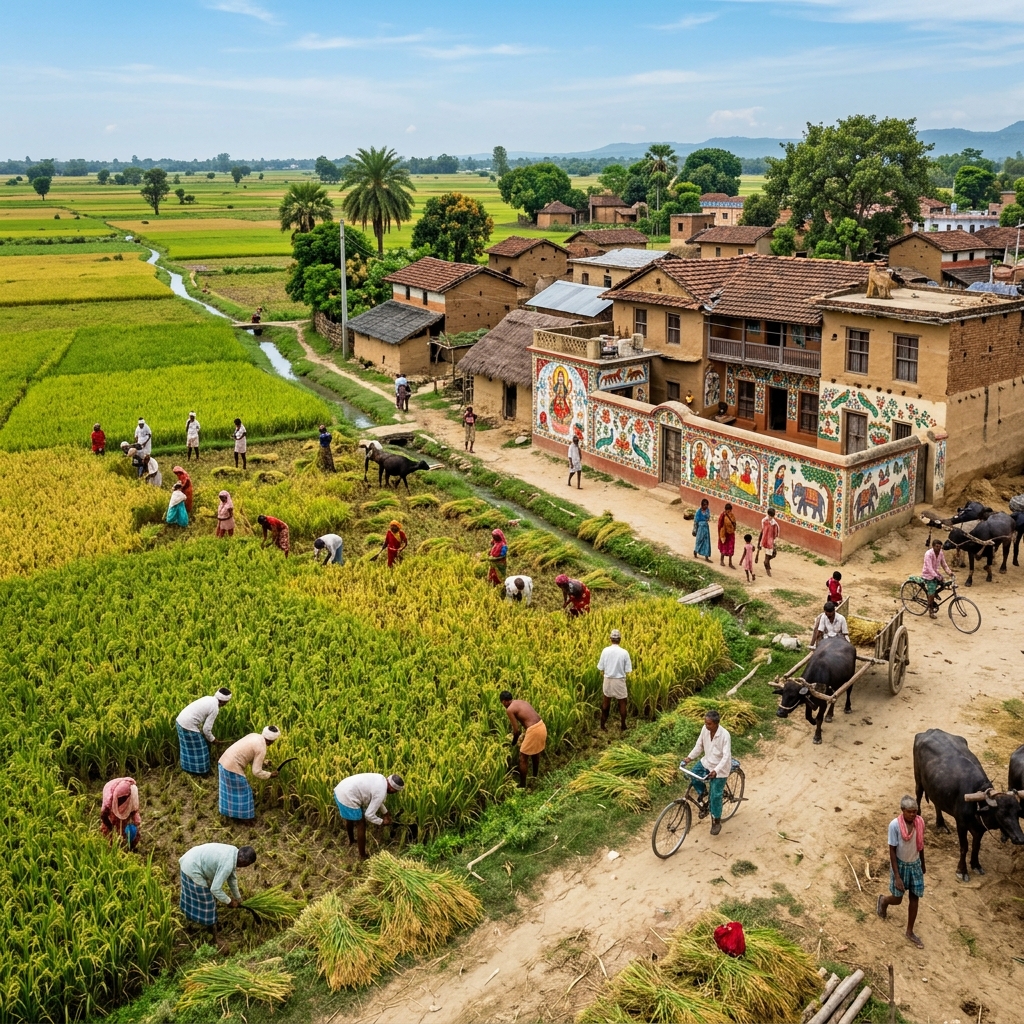
A Legacy Built to Last
Preservation
Safeguarding the authentic motifs and natural pigment techniques of traditional Madhubani art.
Empowerment
Creating sustainable livelihoods for over 600 artisan families across the Mithila heartland.
Education
Integrating cultural heritage into the modern curriculum of over 200 schools and colleges.
Diplomacy
Using art as a bridge for international exchange, reaching 18 countries and counting.
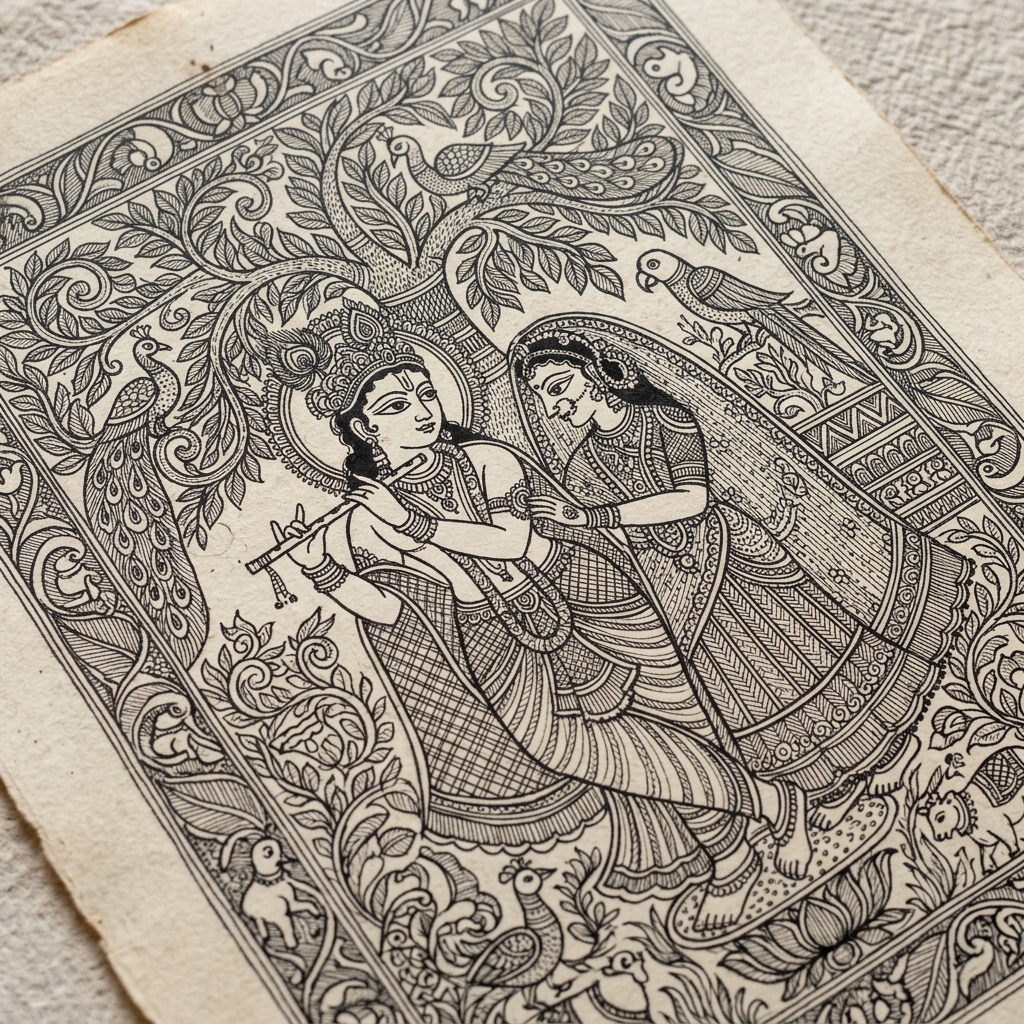
The Era of Revival (2000-2012)
Focusing on grassroots documentation, we travelled to remote villages to archive thousands of unique motifs. This period culminated in our first national exhibition in Kathmandu.
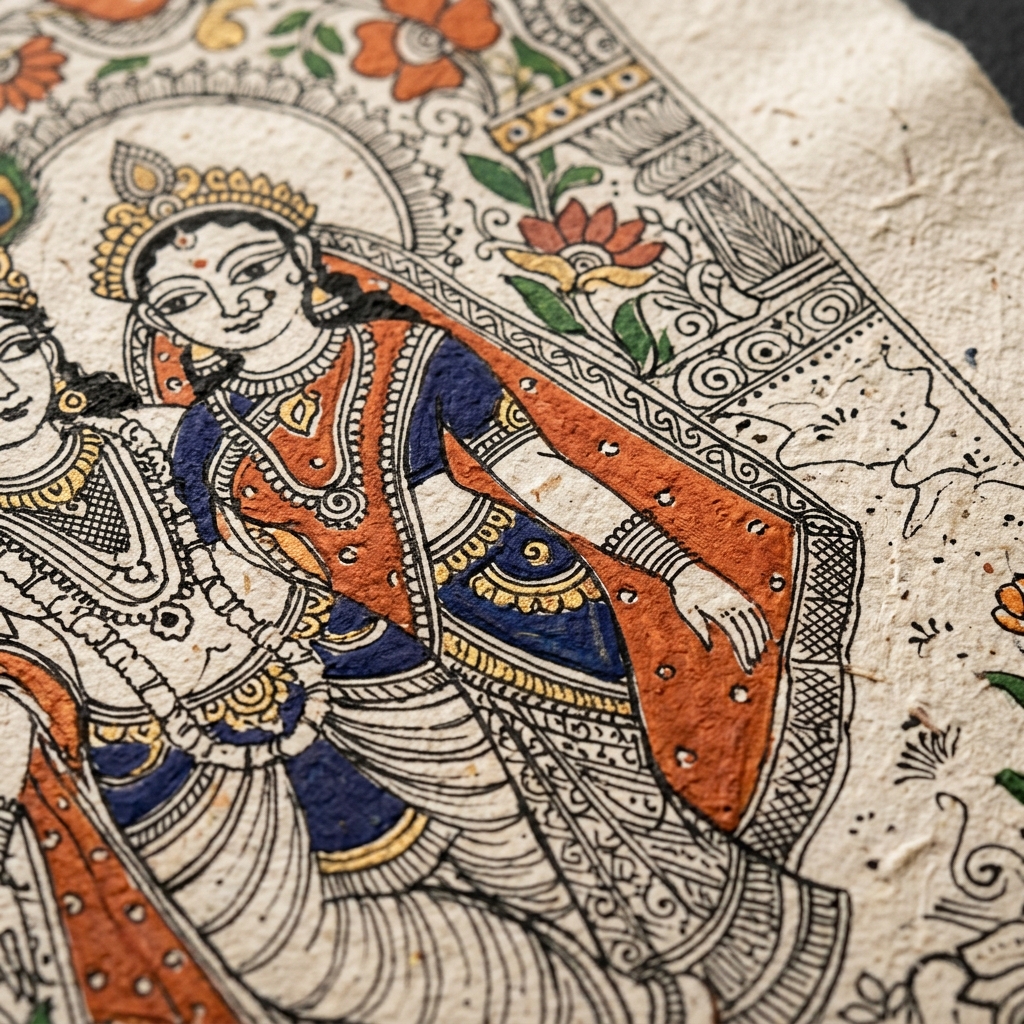
The Global Awakening (2013-Present)
The foundation achieved international recognition, collaborating with UNESCO and the Smithsonian to bring Mithila’s “Living Lines” to the world stage.
What We Have Achieved
50,000+ Students
Trained in traditional art through our educational outreach programmes.
18 Countries
Hosted international exhibitions and cultural exchange workshops.
UNESCO Recognition
Honoured for our contribution to Intangible Cultural Heritage.